

As water resources increasingly become a strategic asset, achieving their accurate, reliable, and continuous measurement and management is a common challenge for smart cities, environmental protection, and industrial energy conservation. Non-contact radar flow measurement technology, with its unique advantages, is driving a series of innovative applications worldwide, quietly transforming our relationship with water.
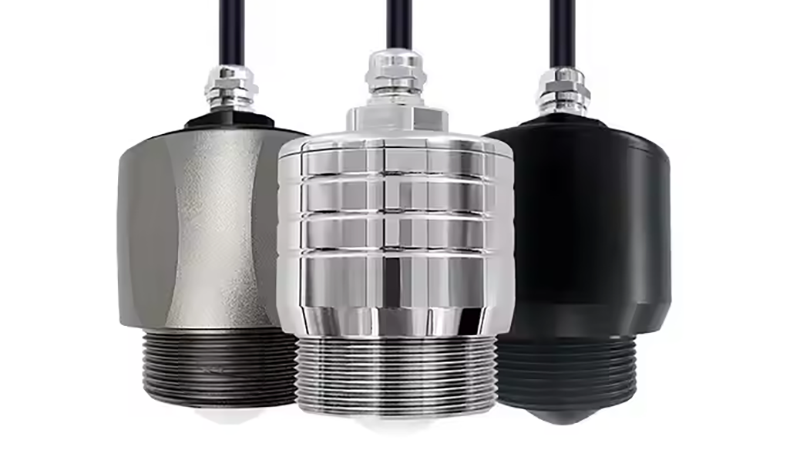
1. The “Silent Guardians” of Smart Cities: Urban Flood Warning and Drainage Network Monitoring
Traditionally, monitoring flow in urban rivers and drainage outlets relied on contact-based instruments, which were prone to damage from silt and debris, resulting in high maintenance costs. Today, more cities are installing radar flow meters at key river sections and combined sewer overflow points.
- Application Case: A smart water project in a major coastal city. Numerous radar flow meters were installed above key drainage channels in flood-prone areas. Like “tireless eyes,” they measure surface velocity and water level 24/7. Data is transmitted in real-time via IoT to the city’s water management “brain.” The system can predict pipe load and river flood capacity in advance. During a heavy rainstorm this flood season, the system accurately predicted flood risk in a specific district 45 minutes in advance, automatically activating pumping stations for pre-emptive drainage, successfully preventing traffic disruption and property damage. This success story has become a benchmark for smart city development in the region, featured in several mainstream media outlets.
2. Protecting Green Mountains and Clear Waters: Environmental Monitoring and Ecological Flow Assurance
Environmental regulations require strict monitoring of industrial discharges and river ecological flow. The non-contact, high-precision nature of radar flow meters makes them ideal for harsh environments.
- Application Case: At a drainage monitoring station for a tailings pond in a large mining area in Southwest China. Traditional instruments failed frequently due to extremely high sediment content. After switching to dustproof and corrosion-resistant radar flow meters, continuous and stable monitoring of discharge flow was achieved, with data directly linked to environmental protection authorities, ensuring compliant discharge. Meanwhile, on an ecologically fragile river in Northwest China, radar flow meters are used to precisely control “ecological water supplementation” flow, guaranteeing the minimum ecological water requirement for downstream wetlands. This case of technology aiding ecological restoration was featured in a CCTV News Channel special report.
3. The “Measuring Eye” for Industrial Energy Savings: Circulating Water and Energy Management
The industrial sector is a major water consumer. Accurate measurement of circulating and cooling water flow is crucial for water balance testing and energy savings. Many factories have old pipes and limited space, making installation of traditional flow meters difficult.
- Application Case: The circulating water field of a large petrochemical plant. Without stopping production or using hot work, multiple radar flow meters were installed above existing concrete open channels, rapidly completing the metering network upgrade for the plant’s main circulating water lines. Through precise data, the company identified hidden pipeline leaks and pump inefficiencies, saving over 10% in water usage and millions in energy costs within a year through optimization. This case, celebrated as an excellent practice in “Industrial Internet + Energy Conservation,” was widely shared and analyzed by industry KOLs on professional platforms like LinkedIn, sparking heated discussion.
4. The “Lifesaving Sentinels” in the Wilderness: Flash Flood and Debris Flow Early Warning
This is one of the most challenging yet valuable applications. In remote mountainous areas, radar flow meters are used for real-time monitoring of water level and velocity in streams and small watersheds.
- Application Case: In a post-earthquake reconstruction project, solar-powered radar flow stations were deployed on rivers downstream of geological hazard points. When upstream rainfall causes a breach or precursor to a debris flow, water flow velocity changes drastically. The radar equipment detects the anomaly within seconds, issuing an early warning via satellite link, buying precious time for downstream village evacuations. Related technical papers and field videos have been widely disseminated on platforms like ResearchGate and Vimeo, gaining attention from international disaster prevention organizations.
Summary of Technical Advantages:
- Non-Contact Measurement: Unaffected by water quality, sediment, or corrosiveness. Virtually maintenance-free.
- Easy Installation: No need to interrupt flow or break pipes, significantly reducing installation cost and risk.
- Accurate & Stable Data: Millimeter-wave technology offers strong anti-interference capability, adapting to complex conditions like rain, fog, and darkness.
- Smart Connectivity: Naturally compatible with IoT, serving as a core sensing unit for building smart water systems and digital twin watersheds.
Conclusion: From bustling metropolises to silent mountains, from clear springs to turbid torrents, radar flow meters are using their quiet(insight) to draw a clearer, smarter dynamic map of our water resources. They are not just measurement tools but decision-making cornerstones, driving water resource management toward a safer, more efficient, and sustainable future. As technology costs decrease and integration with AI data analysis grows, the application wave will undoubtedly continue to rise, making them an indispensable part of the new infrastructure.
Complete set of servers and software wireless module, supports RS485 GPRS /4g/WIFI/LORA/LORAWAN
For more radar water sensors information,
please contact Honde Technology Co., LTD.
Email: info@hondetech.com
Company website: www.hondetechco.com
Tel: +86-15210548582
Post time: Dec-18-2025