

When you taste a crisp leaf of lettuce from a modern hydroponic farm, you’re consuming not just vitamins, but terabytes of data. At the core of this silent “agricultural revolution” are not LED lights or nutrient solutions, but a ”digital sensory system” composed of precise sensors. It is turning cultivation from an art into a predictable, replicable science.
I. Monitoring Vital Signs: The “Essential Trinity” of Nutrient Solutions
Every successful hydroponic system is built on three core parameters, guarded in real-time by their corresponding sensors:
- EC Sensor (Electrical Conductivity) – The “Nutrient Concentration Manager”
- Function: Measures the total ion concentration in the nutrient solution, directly reflecting “fertilizer strength.”
- Case Study: A vertical tomato farm in the Netherlands, using EC sensors linked to a dosing system, reduced fertilizer consumption by 22%. The sensors revealed that a slight increase in EC during peak afternoon photosynthesis significantly boosted fruit sugar accumulation. Time-lapse videos of this optimization shared on Vimeo garnered hundreds of thousands of views.
- pH Sensor – The “Nutrient Gatekeeper”
- Function: Monitors solution acidity/alkalinity, ensuring nutrients remain in the optimal range for root uptake (typically 5.5-6.5).
- Case Study: A micro-farm in San Francisco supplying Michelin-starred restaurants regularly shares videos on Instagram Reels and TikTok showing pH fluctuations: “Watch how the acid produced by root respiration is detected and automatically corrected by the sensor.” This visual storytelling has made their brand synonymous with “tech-driven flavor.”
- DO Sensor (Dissolved Oxygen) – The “Root Respiration Lifeline”
- Function: Detects oxygen levels in the nutrient solution, preventing root hypoxia and rot.
- Case Study: In Deep Water Culture (DWC) systems, low DO is a silent killer. A large commercial hydroponic farm in Canada published a LinkedIn case study stating that after installing real-time DO sensors with alarms, root disease incidence dropped by over 90%. The post was widely shared by agri-tech investors.
II. Environmental Climate Control: Comprehensive Sensing from Canopy to Root Zone
Managing the nutrient solution isn’t enough; the plant’s aerial parts also need digital care.
- Temperature & Humidity Sensors: Link with HVAC systems to create the ideal environment for plant transpiration.
- CO2 Sensor: In sealed indoor farms, actively raising CO2 levels to 800-1200 ppm can boost photosynthesis by up to 40%. This topic often sparks discussions among #IndoorFarming and #ClimateTech enthusiasts on Twitter.
- PAR/Light Sensors: Integrate with LED systems to ensure consistent Daily Light Integral (DLI), regardless of external weather.
III. Advanced Applications & Future Trends: Moving Beyond Basic Monitoring
Leading-edge farms are using sensors for even more innovative purposes:
- Root Zone Imaging Sensors: Use mini-cameras or specialized optical sensors for non-invasive monitoring of root health and growth rate, predicting harvest times. Related research is frequently shared on ResearchGate and YouTube science channels.
- Multispectral Sensors: Mounted on moving ganties inside greenhouses, they scan plant canopies to provide early warnings for nutrient deficiency, disease, or water stress, enabling “preventive cultivation.” Such impressive tech videos perform very well on Facebook and Pinterest.
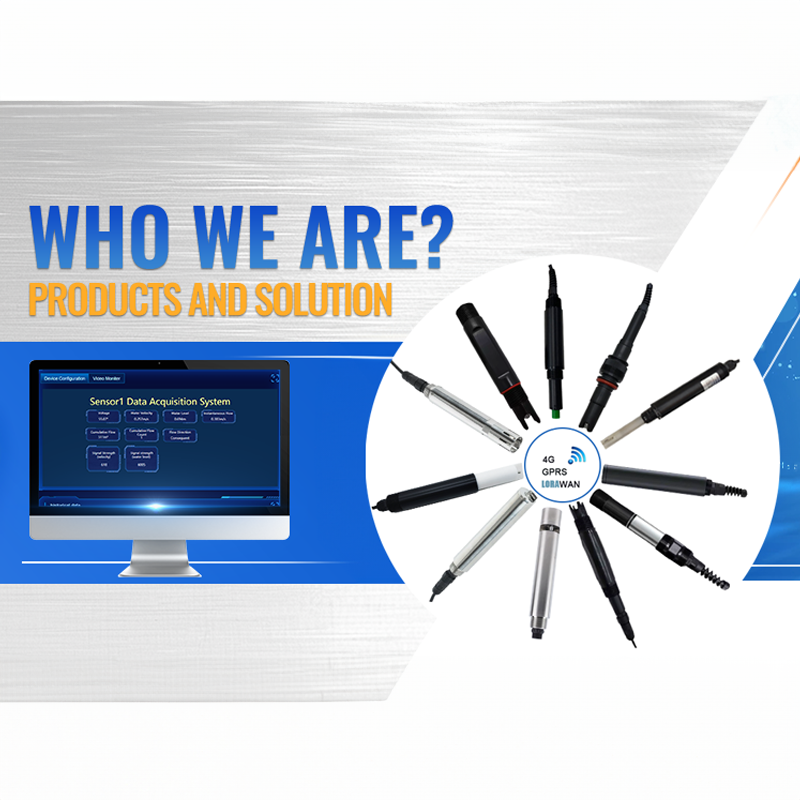
- IoT Integration: All sensor data converges on a cloud platform (via LoRaWAN or 4G), allowing farmers to monitor operations globally via a smartphone app. This “Smart Farming” vision is a favorite subject for tech sections like Yahoo Finance.
Beginner’s Guide to Hydroponic Sensor Setup (For Home/Hobbyists):
| Sensor Type | Priority | Core Function | Budget Suggestion |
|---|---|---|---|
| EC Sensor | ★★★★★ | Prevents nutrient burn, ensures feeding | Invest First |
| pH Sensor | ★★★★★ | Prevents nutrient lockout, ensures uptake | Invest First |
| Temp/Humidity Sensor | ★★★★☆ | Creates optimal microclimate | Medium Priority |
| DO Sensor | ★★★☆☆ (Essential for DWC) | Prevents root rot | Advanced Upgrade |
| CO2 Sensor | ★★☆☆☆ | Significantly boosts growth rate | Enthusiast Level |
Conclusion: Sensors are to modern hydroponics what the nervous system is to the human body. They allow growers to “see” nutrient flow, “hear” root respiration, and “feel” subtle plant stress for the first time. This is not just an upgrade in tools, but a leap in understanding. As sensor costs continue to fall and AI analytics become more accessible, the precision agriculture once reserved for labs and large farms is rapidly entering home balconies and community gardens. The best farmer of the future may well be a data-savvy analyst.
Hashtags:
#PrecisionAgriculture #Hydroponics #IoT #SmartFarm #AgTech #FoodTech #Sustainability #HomeGrowing
We can also provide a variety of solutions for
1. Handheld meter for multi-parameter water quality
2. Floating Buoy system for multi-parameter water quality
3. Automatic cleaning brush for multi-parameter water sensor
4. Complete set of servers and software wireless module, supports RS485 GPRS /4g/WIFI/LORA/LORAWAN
For more Water quality sensor information,
please contact Honde Technology Co., LTD.
Email: info@hondetech.com
Company website: www.hondetechco.com
Tel: +86-15210548582
Post time: Dec-22-2025