

A mini pipe wind speed sensor is a compact, industrial-grade instrument designed for precise airflow measurement within ductwork and piping. Unlike standard anemometers, these specialized sensors utilize a unique screw-mount design for high stability and a stainless steel housing for impact resistance (anti-crashing) and corrosion protection. Designed for seamless integration, they feature digital RS485/Modbus via an RJ45 interface or customizable analog outputs (4-20mA/0-10V). These features make them the gold standard for monitoring high-velocity, space-constrained industrial environments where durability and data accuracy are critical.
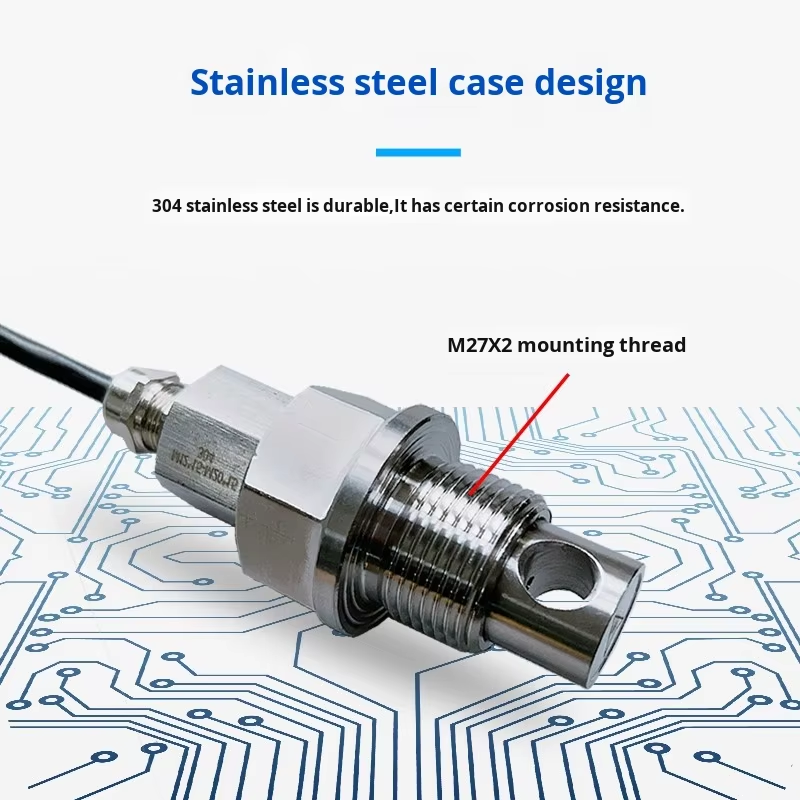
In industrial airflow monitoring, the physical design of a sensor is as critical as its electronic accuracy. The Honde mini pipe wind speed sensor is engineered with a small form factor specifically for internal pipe mounting where space is often at a premium.
The housing is constructed from high-quality stainless steel, offering two primary benefits: it provides impact resistance (anti-crashing), protecting the internal electronics from physical damage caused by high-velocity debris, and anti-corrosion properties, which are vital for longevity in humid or chemically active environments. Additionally, the unit features a built-in sensor protected by a dedicated cover. This cover protects the delicate sensing elements during installation; it can be removed to check or inspect the built-in wind speed sensor, ensuring the device is interfacing directly with the airflow as intended.
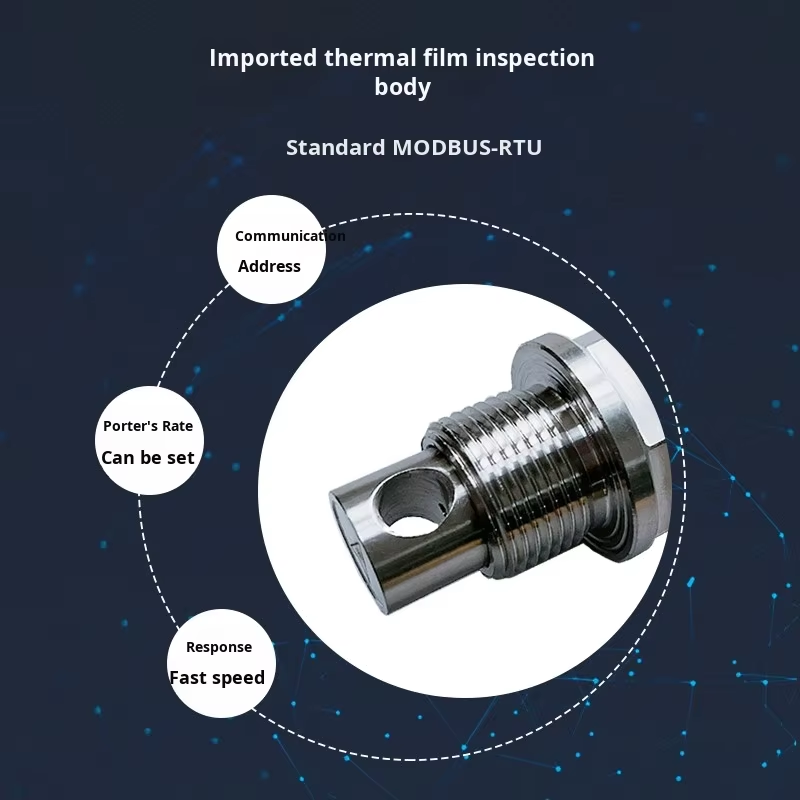
The following table outlines the technical capabilities and design advantages of the Honde Mini Pipe Wind Speed Sensor.
| Feature | Specification / Details | Advantage |
|---|---|---|
| Housing Material | Industrial Stainless Steel | Provides superior impact resistance (anti-crashing) and corrosion protection. |
| Mounting Type | Special Screw Mount | Specifically designed for pipe walls to ensure a secure, vibration-resistant fit. |
| Output Signals | RS485 (Modbus), 0-5V, 0-10V, 4-20mA | Custom-made output options ensure compatibility with any PLC or SCADA system. |
| Physical Connection | RJ45 Interface | Simplifies field connectivity using standard networking hardware. |
| Installation Orientation | Integrated Directional Arrow | Ensures precision by aligning the built-in sensor with the vector of airflow. |
To ensure accurate data collection and long-term stability, engineers should follow these standardized installation steps:
- 1 Preparation: Identify the target pipe section. Ensure the mounting hole is sized to match the sensor’s specialized screw configuration for a flush, airtight seal.
- 2 Orientation: Locate the directional arrow on the sensor body. This arrow must point exactly in the direction of the airflow. Correct orientation is essential for the built-in sensor to record accurate velocity data.
- 3 Mechanical Mounting: Insert the sensor into the pipe and secure it using the integrated screw mount. This “special screw” design is engineered to stabilize the sensor against the mechanical stresses and vibrations found in high-pressure piping.
- 4 Wiring and Connectivity: Connect the sensor to your data logger or controller. While Modbus is the communication standard, the physical interface is a standard RJ45 connector, allowing for rapid deployment in the field.
- 5 Customization: If your environment requires analog signals, utilize the custom-ordered 0-5V, 0-10V, or 4-20mA lead configurations.
With over 15 years of experience in industrial sensor manufacturing, we find that the most common cause of sensor failure in ductwork is “material fatigue” caused by high-velocity debris. In these environments, plastic sensors often fail due to physical stress—what we call “crashing.” By utilizing a stainless steel, screw-mounted design, we provide the impact resistance necessary to withstand these conditions. Furthermore, always verify the directional arrow during installation; even a high-precision sensor will provide erroneous data if it is not perfectly aligned with the pipe’s flow vector.
- HVAC Duct Monitoring: Precision measurement of airflow in space-constrained commercial ventilation ducts to optimize energy consumption and maintain air quality.
- Cleanroom Ventilation: Maintaining critical positive or negative pressure environments by monitoring the exact speed of air entering or exiting the room via small-diameter stainless steel piping.
- Industrial Exhaust Systems: Monitoring airflow in chemical or manufacturing exhaust lines where the anti-corrosion properties of stainless steel are required to resist hazardous fumes and potential debris impact.
The Honde Technology mini pipe wind speed sensor is a robust, professional-grade solution for systems integrators requiring precision and durability in tight spaces. Its combination of stainless steel construction, versatile output options, and secure screw-mount design makes it an ideal choice for the most demanding industrial environments.
We invite you to consult with our engineering team regarding custom lead lengths, specific voltage outputs, or custom-made requirements for your unique application.
Next Steps: To discuss your specific project requirements or to request a custom quote, contact us:
- Company Name: Honde Technology Co., Ltd.
- Website: www.hondetechco.com
- Email: info@hondetech.com
Post time: Jun-11-2026